Open a toolbox drawer too quickly and loose wrenches can slide into a noisy pile. The size you need disappears under larger tools, and thea drawer that looked fine at the end of the day needs sorting the next morning again.
The right organizer fixes that problem, but the market is crowded with products that solve it in different ways. Some save width by standing wrenches upright. Others use foam, magnets, molded trays, or fabric pockets.
This guide compares the most common types of wrench organizers and explains where the new Automotive Accessories NA system fits.
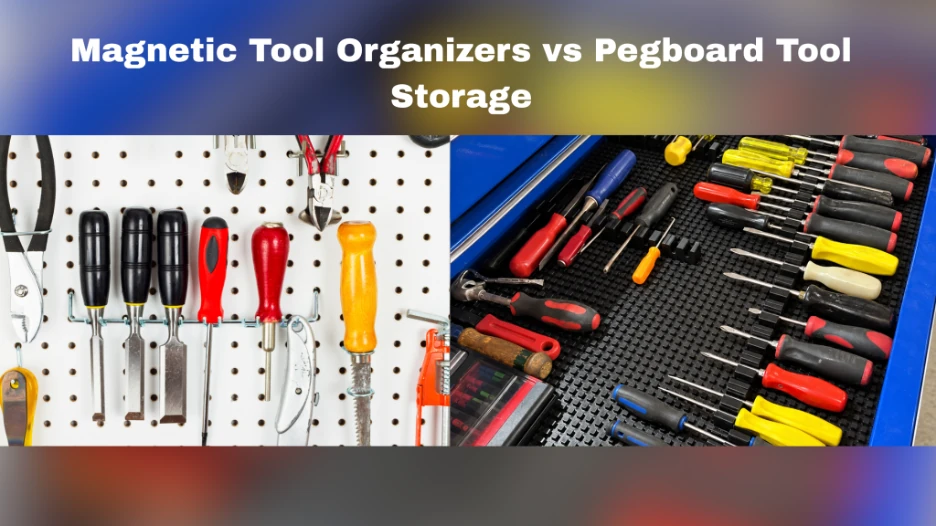
If the rest of the drawer needs attention too, start with our step-by-step toolbox organization guide. It will help you sort the tools before committing to a layout.
What to Check Before Choosing a Wrench Organizer
Measure the drawer before comparing organizers. Record its usable width, depth, and closed height, then check the largest wrench. A design that fits on the floor can still stop a shallow drawer from closing.
Next, consider how often you change the wrench set. Fixed trays and custom foam work well for a stable set. If you regularly add specialty, ratcheting, stubby, or oversized wrenches, a system you can move or expand is easier to live with. Also decide whether the wrenches stay in the toolbox or travel to vehicles and job sites. Portability changes which design makes sense.
Common Types of Wrench Organizers
1. Fixed Plastic Racks and Trays
Fixed plastic racks separate a basic wrench set with little effort. They are inexpensive, need no installation, and often fit shallow drawers.
The compromise is fit. A rack designed around a typical combination-wrench set may leave awkward gaps around thicker ratcheting wrenches or larger handles. Fixed slot counts also limit expansion, and a light tray can shift when the drawer is opened hard unless it is secured.
2. Upright and Vertical Wrench Racks
Vertical organizers stand wrenches on edge, fitting more tools across a narrow footprint while keeping the sizes easy to scan.
That efficiency comes with a clearance requirement. Taller handles and offset box ends may sit too high for a slim drawer. Check the finished height with the largest wrench installed, not only the organizer dimensions.
3. Foam Drawer Inserts
Foam gives each wrench a shaped recess, protects the finish, reduces contact, and makes a missing tool obvious at a glance.
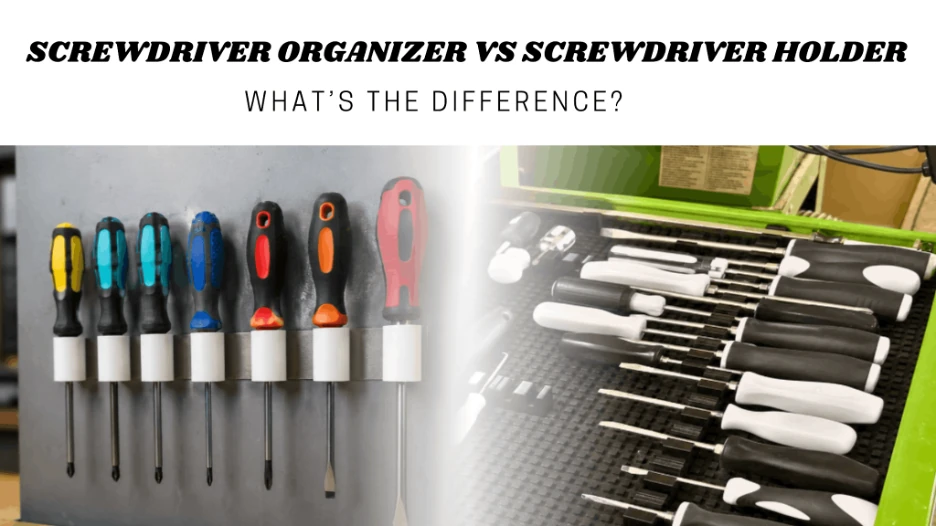
Foam also commits space to one layout. Cutting and fitting takes time, and adding a wrench may require a new section or a fresh insert. Thick foam can use more drawer area than expected. The same flexibility trade-off appears in our comparison of screwdriver organizers for toolbox drawers.
4. Magnetic Rails and Wrench Holders
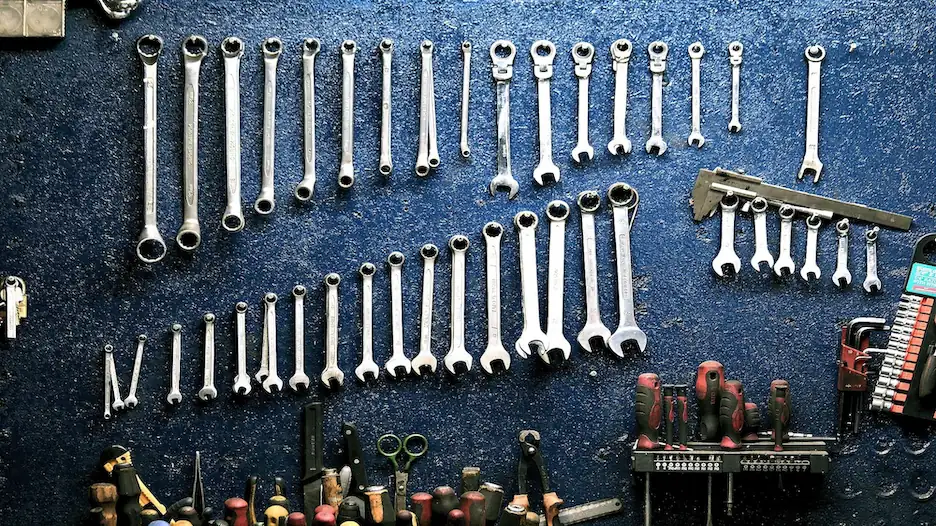
Magnetic holders attach to steel drawers, tool chests, or work areas. They move easily and need no adhesive or permanent installation.
Design details make a real difference. The base should resist sliding without scratching the toolbox, and the slots must suit the wrench thickness. Some rails hold a fixed number of tools, so a growing set can still outpace the organizer.
5. Roll Up Wrench Pouches
A wrench roll gives each tool a fabric pocket and folds into a compact bundle, making it practical for roadside kits and mobile technicians.
For a daily-use toolbox, however, unrolling and rerolling the pouch adds a step. It also hides the set when closed. Current wrench storage collections show how roll-up pouches serve a different need from racks and modular drawer systems.
6. Modular Magnetic Mat Organizers
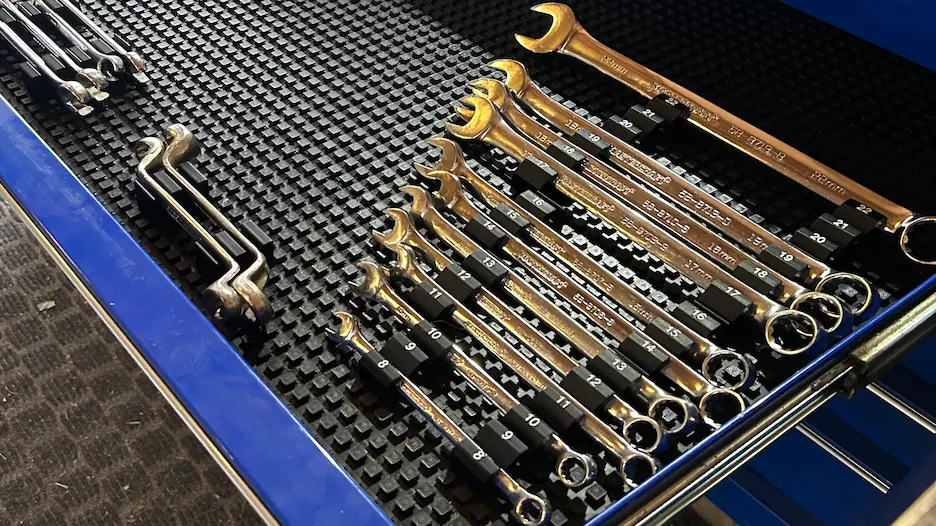
Automotive Accessories NA uses individual holders that clip into a compatible mat. Magnets help the modules stay in position, while the clip-in layout can be changed as the collection grows.
The wrenches sit at an angle instead of standing fully upright. That lower profile is designed for slim drawers where vertical racks can create clearance problems. Separate metric and SAE modules use white-on-black size labels built into the unit rather than stickers, so the identification does not depend on adhesive.
Because the modules share the same platform as the existing screwdriver system, a drawer can be planned around the tools you actually own. The trade-off is that the wrench holders require the compatible modular tool mat. They are meant for an organized drawer, not as a portable pouch.
Wrench Organizer Comparison
| Type | Best use | Main advantage | Main limitation |
|---|---|---|---|
| Fixed rack or tray | Basic drawer setup | Low cost and quick setup | Fixed spacing and capacity |
| Vertical rack | High-capacity drawer | Saves drawer width | Needs more height |
| Foam insert | Stable complete set | Protection and missing-tool visibility | Harder to change |
| Magnetic holder | Steel drawers or surfaces | Easy to move | Fit and grip vary by design |
| Roll-up pouch | Mobile tool set | Portable and protective | Slower daily access |
| Modular mat system | Slim evolving drawer | Angled labeled reconfigurable layout | Requires compatible mat |
Advantages and Disadvantages of the Modular System
With the main formats clear, the modular system makes the most sense when stability matters, but the drawer cannot be locked into one permanent arrangement.
Advantages
- Angled positioning helps full-size wrenches fit inside slim drawers.
- Clip-in modules can be rearranged when sizes or wrench styles change.
- Magnetic retention helps reduce movement during normal drawer use.
- Built-in metric and SAE labels make sizes easier to scan and will not peel like stickers.
- The same mat can support compatible wrench and screwdriver modules.
Disadvantages
- The system requires a compatible modular mat, so it is not a standalone purchase.
- A simple plastic rack may cost less for a small set that will never change.
- A roll-up pouch is still better when the main goal is carrying tools away from the toolbox.
Which Wrench Organizer Fits Your Toolbox
Choose a tray for a small budget set, a vertical rack when width matters, foam for a completed set, and a roll-up pouch for travel. A magnetic rail works well when a fixed group must move between steel surfaces.
For a slim toolbox drawer that changes over time, the modular mat system offers the most adaptable layout. Its main value is not magnetism alone. The combination of clip-in modules, angled storage, stable placement, and permanent size labels addresses the problems that generic racks often leave behind. If you are deciding between wall and drawer storage first, read our magnetic organizers versus pegboard guide.
Frequently Asked Questions
Final Recommendation
There is no single winner for every toolbox. Portability favors a wrench roll, a permanent set suits foam, and the lowest-cost setup often starts with a plastic rack. Automotive Accessories NA is the better fit when the drawer is slim, the collection may grow, and the owner wants metric and SAE sizes clearly labeled without committing to one fixed layout.
Measure the drawer first, then choose the organizer around how the tools are actually used. A good system should make the right wrench easy to see, easy to grab, and just as easy to put back.