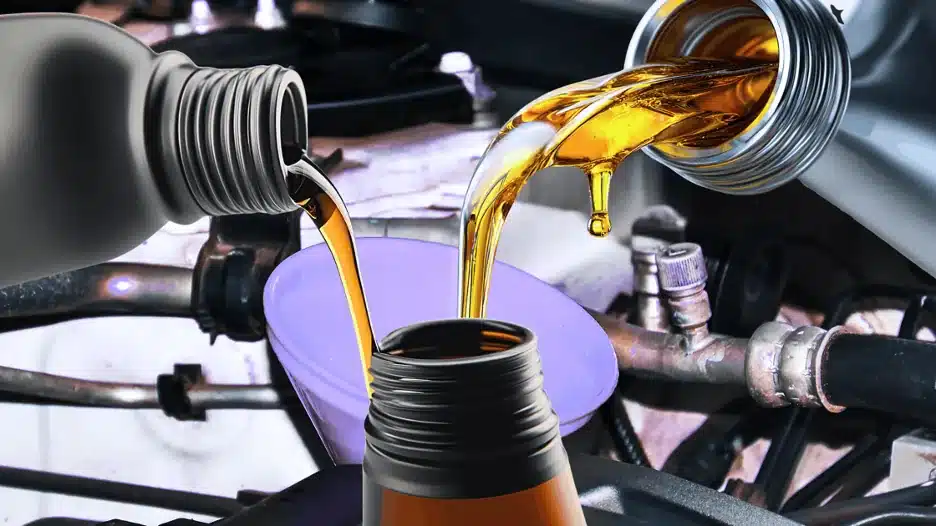
Overfilling your engine with oil is a common mistake that can pose a serious threat to the engine. Every engine is different, and each only accepts a specific amount of oil. What Happens If You Overfill Oil? Generally, excess oil weakens your vehicle’s performance!
Why does an excess of engine oil disrupt the lubrication system?
Engine oil performs vital functions for the proper operation of the engine: lubricating moving parts, cooling components, protecting against corrosion, and cleaning the internal components. However, excessive engine oil disrupts these delicate mechanisms by causing overpressure in the crankcase.
This overpressure causes the oil to foam as the crankshaft rotates, loses its lubricating properties, and can no longer properly protect the moving parts. The protective oil film becomes unstable, increasing friction and premature component wear.
Excess engine oil also creates resistance to normal oil flow. This resistance slows the flow of oil through the system, compromising heat dissipation and promoting overheating. Excess oil can get into areas where it doesn’t belong: the combustion chamber, exhaust system, or crankcase ventilation system, which can also lead to increased engine oil consumption.
How can you tell if you’ve put in too much engine oil? The symptoms
The normal amount of engine oil required depends on your car’s engine type and model. You can find the recommended engine oil quantity in your vehicle’s owner’s manual.
The amount of engine oil needed for a car engine generally ranges from 3 to 6 liters. It also depends on the engine size and the number of cylinders.
It’s important not to put too much engine oil in your car, as this can damage the engine. Here are some signs that indicate you may have added too much oil:
- The oil dipstick shows a level above the maximum mark: your car’s oil dipstick has a maximum level mark that indicates the maximum amount of oil the engine can hold. If the oil level is above this mark, you have probably added too much oil.
- White or blue smoke coming from the car: if you see smoke coming from your car’s exhaust, it could be a sign that you have too much engine oil. This smoke is due to the incomplete combustion of the oil.
- Starting problems: If your car struggles to start or won’t start at all, it could be due to an oil overfill. The engine may have trouble starting if the oil is too thick or if it prevents fuel from flowing properly.
- Unusual noises: If you hear metallic or rattling sounds from the engine, it could be a sign of too much oil. This can be due to excessive pressure on the engine parts.
- Engine oil leak: an excessively high oil level can cause oil leaks at the seals or drain plugs.
- The burning smell: If oil reaches areas where it shouldn’t, such as the pistons or spark plugs, it can burn, producing a burning-oil smell. You might also notice a stronger-than-usual exhaust smell if the excess oil is causing incomplete combustion of the gasoline.
- Engine oil light illuminates: The oil pressure warning light may come up if the oil level is excessive, as excess oil can increase pressure in the lubrication system.
What are the risks of having too high an engine oil level in your car?
An excessively high engine oil level can cause several problems and risks for your vehicle:
- Starting problems: Excess oil can cause starting problems with your engine, as excess oil can flood the spark plugs, making it difficult for the engine to start.
- Poor performance: Too much engine oil can reduce the space available for air and fuel in the cylinder, resulting in incomplete combustion and reduced power.
- Engine overheating: Excess oil can cause engine overheating because it can increase resistance to oil flow through the engine lubrication system, resulting in heat buildup.
- Oil leak: Too much oil can cause leaks at the seals, as excess oil can build up and exert excessive pressure on the lubrication system, damaging the seals.
- Clogged catalytic converter: Excessive oil can clog your vehicle’s catalytic converter with burnt oil residue.
It is important to maintain the engine oil level recommended by the manufacturer to avoid potential damage to your engine and vehicle.
Removing excess oil: how to remove or vacuum out excess engine oil (diesel or petrol)?
If you have overfilled your engine with oil, there are two main options for removing the excess:
1. Drain the tank
The most common solution is to drain the engine oil to remove the excess. To do this, you’ll first need a wrench to remove the drain plug from the engine’s oil pan. Once you have access to the oil, drain it into a suitable container for collection. Ensure it drains completely, then insert and tighten the drain plug and add the recommended amount of oil for your engine.
2. Use of a suction syringe
Another option is to use a suction syringe to remove excess oil from the engine. To do this, you must first locate the oil dipstick tube on your engine. Then use a suction syringe to slowly extract the excess oil through the dipstick tube. When you reach the recommended oil level, stop suctioning. This method can be more difficult if the oil has already mixed with fuel and lost its normal consistency.
What is the maximum amount of time you can drive with excess oil without risking damage to your engine?
The maximum recommended distance varies by engine type. A petrol vehicle can travel between 20 and 30 kilometres with excess oil, while a diesel engine should not exceed 10 to 20 kilometres in this situation.
The risk of damage increases rapidly beyond these distances. Excessive pressure in the combustion chambers can cause premature wear of the piston rings and crankshaft.
Excess oil exceeding one liter requires immediate vehicle shutdown. It causes the engine temperature to rise rapidly, leading to carbon deposits that threaten the lifespan of other components. The first signs of damage may appear within the first few kilometers.