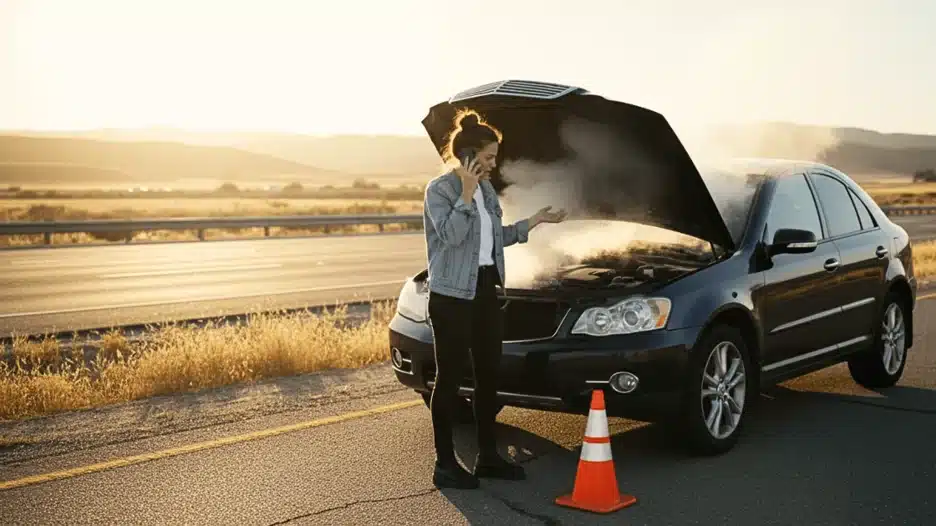
Your car is overheating right now or overheating while on the highway. You need a temporary solution to prevent catastrophic engine damage and reach safety. This is a direct, step-by-step guide on exactly what to do. Follow these steps for a quick temporary fix.
Temporary Fix for an Overheating Car
1. Crank the Heater to MAX and Roll Down Your Windows

Your car engine requires a normal temperature to work perfectly. When it overheats, it’s a sign that the heat is getting unbearable for the engine. The simple solution to this problem is to look for a means to get rid of the excessive heat from the engine.
Your car heater helps to extract hot coolant (excessive heat) from the engine through the heater core. That warm air flows through your car vent.
Obviously, this process will make the cabin uncomfortable. You need to roll down your window to minimize the pressure of the heat in the cabin, thereby serving as a secondary radiator.
This method might not be friendly, but incredibly effective. It can lower the engine coolant temperature by 10-15°F almost immediately, which can give you the option of driving into a shop and not needing a tow.
2. Turn off the A/C and coast to a safe spot

The AC in your car is meant to keep your car’s cabin cool. Understandable! But then, they are powered by an alternator through the engine, which contributes significantly to the load of the engine.
Turning it off will reduce the engine workload to focus more on the cooling itself and the moving car.
Hit the A/C button to turn it off. Don’t match the brakes. Instead, take your foot off the accelerator, let your speed drop naturally, and use your turn signal to guide you safely to the shoulder of the road.
3. Shut off the engine, but leave the key on
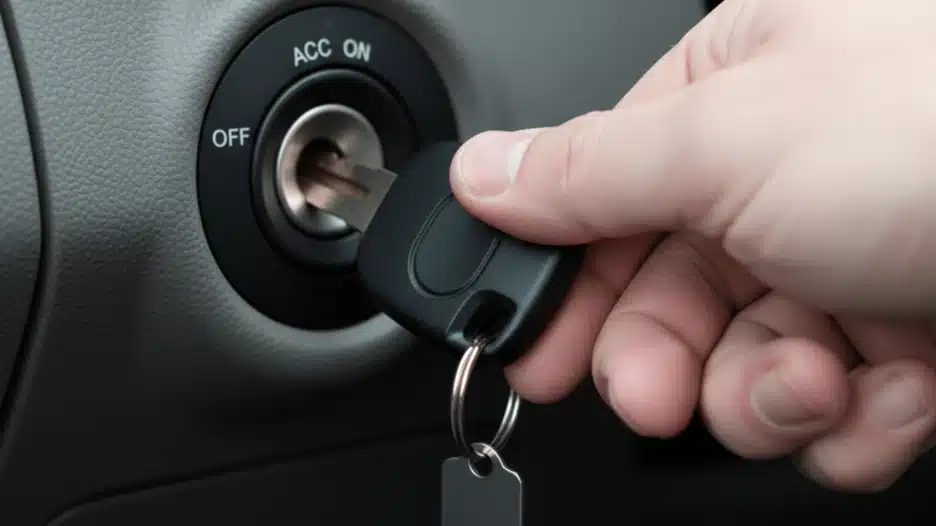
Stop your car engine from running as safely as you can to prevent continuous heat. A running engine is the foundation of a heated car. Stopping the engine for some time to cool will prevent it from worsening the condition.
Once you safely stop, turn the key to the on or accessory position. You should hear that the electric fans in your car hood are whirring. If you don’t, it’s a clue that a failed fan might be the cause of your overheating.
4. Check the Coolant Level
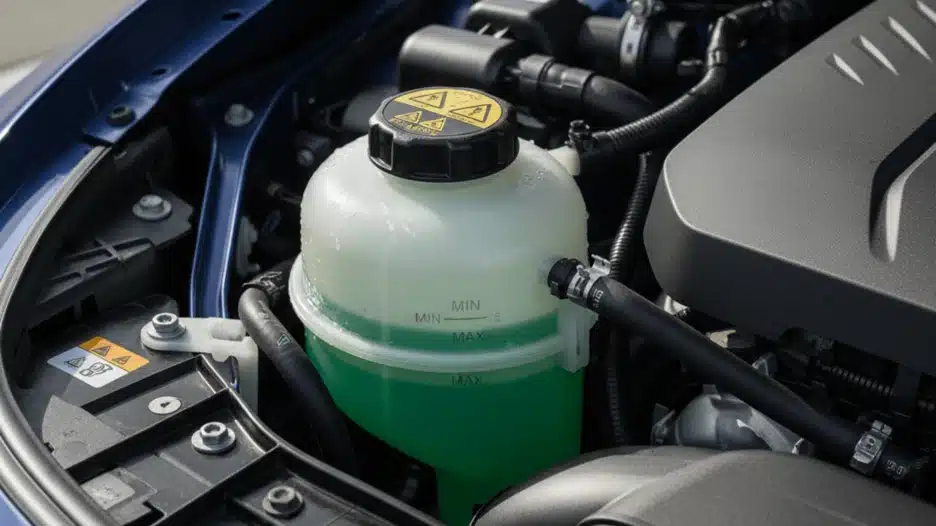
Before opening the hood, it is important that you let the engine cool for 15-20 minutes minimum. This is because the coolant system and the engine are under extreme pressure and can cause the hot build-up heat to erupt if you open the radiator cap immediately.
To avoid being hit by extremely hot coolant, which can further cause scalding or damage your skin, it is safe to exercise patience for 15 minutes minimum, for your safety.
After a minimum of 15 minutes, open the hood. Pick a thick rag or a glove, and slowly press down the coolant reservoir cap, while you twist in a quarter turn to allow the hissing pressure to escape for a while. Once the hissing sound stops, you can move further to open the cap entirely.
Check the coolant, if the coolant is low, then you need to add some more, because the most common cause of an overheating car is when the coolant level is low. It is important that you never open the coolant cap on a hot engine.
5. Add Coolant/Water Mix and Drive to a Mechanic
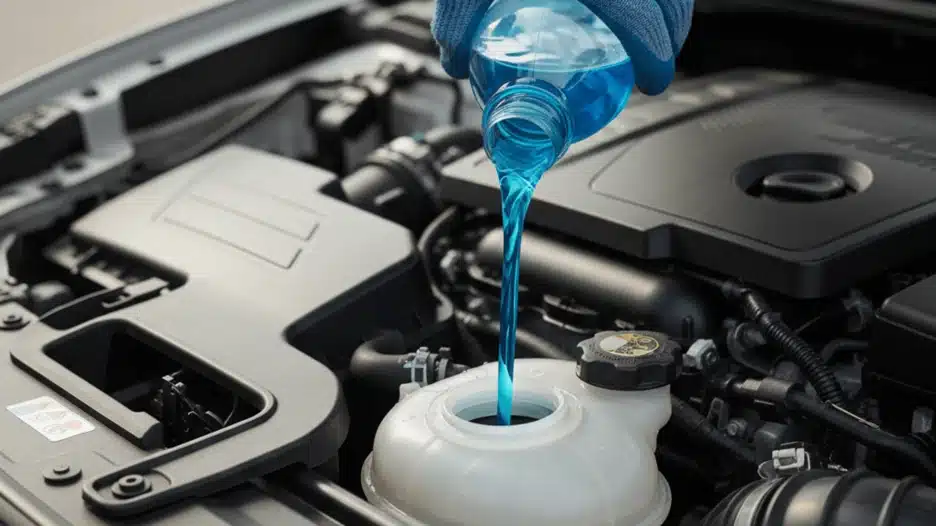
If you figure out that your coolant fluid is low, here is a quick what you can do:
Top up the reservoir (coolant container) with a 50/50 mix of coolant and water. In an emergency where all you want is to get the car to a mechanic shop directly, rather than getting it towed or packed, you can top up with plain water. It will assist you to the nearest mechanic shop.
This process will compress the heat, just enough to get you a short distance to seek professional assistance, while the car heater also assists in this process.
Exercise caution to make sure your car doesn’t sit in the cold with plain water in the radiator as this can damage your car.
Common Mistakes That Will Destroy Your Engine
When you experience overheating in your car, you should not do specific things. Otherwise, you will have your engine totally damaged. This includes what might seem to be the norm, but can not be applied in this incident.
● Never pour cold water on a hot engine: the sudden temperature change can cause the engine block to crack or the cylinder head to warp.
● Do not continue driving with the temperature gauge in the red: You are literally melting your engine components. Stop the vehicle as soon as it is safe to do so.
● Avoid opening the radiator cap without waiting for it to cool first: The risk of severe burns is very high.
Common causes of overheating
There are numerous causes, cases, or incidents that can result in a car overheating. Amidst various causes, below are the common 5 causes for overheating cars:
1. Low Coolant
If you drive without the right amount of coolant at the standard level by the manufacturer, you may damage your cooling system. If the coolant in your reservoir is below the expected or required level, top it up with new coolant/antifreeze.
If your reservoir is empty, you can fill it up with a mix of water and coolant, going by 50% coolant and 50% water. This will restrict your engine from overheating and keep it running smoothly.
2. Faulty Thermostat
The thermostat in every vehicle is created to monitor the temperature and to regulate the pressure in the engine. When this thermostat becomes faulty, it will prevent the flow of the coolant, which is needed when the vehicle’s temperature starts rising.
Drivers need to be on the lookout for this important component in their car. If you have a faulty thermostat, it is best to replace it, before the worst happens.
3. Broken Water Pump
A broken water pump can also contribute to the reasons your car overheats, as it prevents the smooth circulation of the coolants all over the engine.
The water pump of your vehicle is the component responsible for circulating the coolant all over the engine’s body. Sometimes it is dirty and clogged, which will prevent the flow.
In this situation, you can clean the water pump by washing and rinsing it thoroughly to get rid of the debris. However, if the water pump is broken or damaged, then you will need to replace it.
4. Radiator Fan Failure
The purpose of a radiator’s fan is to further help the cooling system. When coolant circulates all the way through the engine, the heat is transferred to the car’s radiator. Inside the radiator, the heat is released to the air.
However, the air that pushes through the front of the vehicle, especially when in motion, helps in cooling down the radiator. But when the car is moving slow, the air that pushes through will become insufficient to cool the radiator.
This time, the radiator fans will activate, serving as an alternative cooling system, to cool the radiator. The fans blow out the hot air through the radiator’s grille, saving the car from heat build-up.
Now, when the radiator’s fans fail, it can cause your engine or vehicle to overheat and damage the engine if not addressed quickly.
5. Blown Head Gasket
The purpose of a head gasket is to close off the combustion gases inside the cylinders and prevent coolant or engine oil from escaping into them. Leaks in the head gasket can lead to poor engine performance and/or overheating.
How far can you drive an overheating car?
The driving distance for an overheating car depends on various factors, including the level of overheating, the vehicle’s current condition, and the driver’s response. Once the warning light shows up, the first priority is to stop as soon as possible, to ensure safety.
According to just-drive.co.uk, you can only drive about an ½ mile further, with an overheating car. However, some cars can make it up to about 20 miles with an overheating car. But it is not advisable you risk it, as to avoid getting your engine totally damaged.
The best option to take while in this condition is to choose the route closest to a repair shop, but remain calm and avoid excessive driving.
FAQ
How long should I really let the car cool down for?
A minimum of 15-20 minutes. A good rule of thumb is that if you can’t comfortably hold your hand on the hood above the engine, it’s still too hot to open the coolant system safely.
Can I just use water instead of coolant?
In a roadside emergency, yes, plain water is better than nothing. It will work as a temporary heat-transfer fluid. However, coolant has higher boiling points and lubricates the water pump, so you should have the system properly flushed and refilled by a mechanic as soon as possible. It is not advisable to use plain water in the winter and this can damage your engine.
The temperature went down after I turned on the heater. Can I just keep driving?
This is a massive risk. The heater is a temporary crutch, not a solution. The underlying problem is still present and could leave you stranded in a much more dangerous location. Drive only as far as the nearest qualified repair shop.