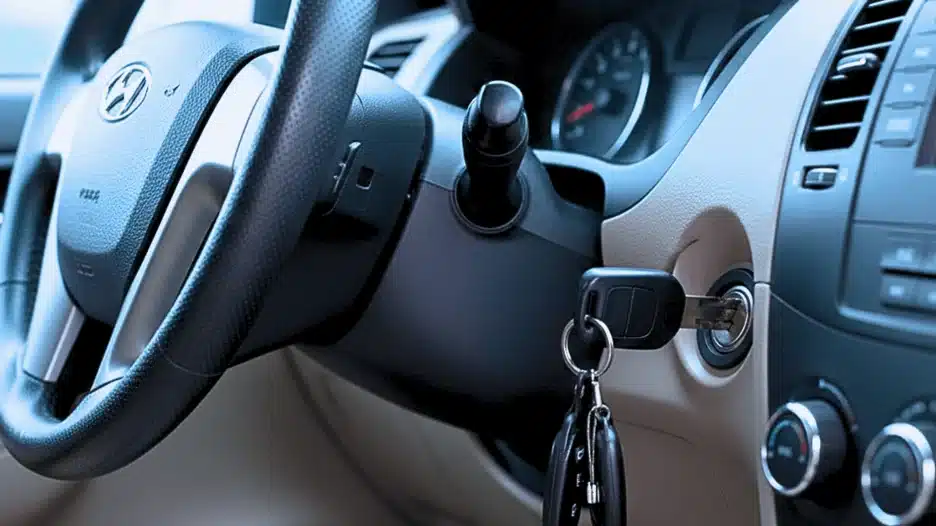
As a car owner, having your key stuck in the ignition can be the worst experience ever. In most cases, you find it difficult to start or stop your engine. Most of the time, it’s just a minor issue that takes a few minutes to fix. Here, we will explore the problems and a DIY fix before considering consulting a technician.
7 Common Reasons Your Key Is Stuck in the Ignition and How to Get It Fixed
1. The Steering Wheel Is Locked
The locked steering wheel is the most popular reason keys get stuck in the ignition. This is due to an inbuilt mechanism in the steering wheel called the “steering wheel lock system,” which is designed to prevent the wheel from moving after you turn off the car, hence to prevent theft.
Unknowingly, the driver might grab or lean on the steering wheel while attempting to exit the vehicle after turning the key to the off position. That unknown action presses the lock pin in the steering column against the steering gear, then transfers the pressure to the ignition cylinder, trapping the key in place.
How to fix it:
Make sure the key is in the off position, turn the wheel and hold the key in the ignition with the other hand. Gently turn the steering wheel position before trying to remove it. Once that’s done, place one hand on the steering left and right, then jiggle the key back and forth while applying a continuous, gentle pulling pressure.
As soon as the steering wheel lock loosens, the key will slide out easily. Avoid using force in this process as It might cause more damage, leading to the key bending or breaking.
2. The Key Is Bent
A slight bend in a key can cause it to get stuck in the ignition because the ignition cylinder is designed for proper alignment. Once the key is bent, it can no longer sit perfectly in the ignition, which can affect the pins inside the ignition.
As a result of this issue, when drivers try to pull the key, one side drags against the other, causing it to get stuck in the ignition. If forced, it might further damage the ignition pins.
How to fix:
What you need to do is to be gentle with the process. Don’t try to pull out in frustration. Gently jiggle the key up and down while trying to pull it out. Apply subtle inward pressure during this process while gently pulling out.
Don’t try to straighten the key in the ignition if the bent area is too visible. Otherwise, you might damage the internal ignition component.
If the key won’t come out, you should seek professional help.
3. Dead car battery
For modern cars with electronic ignition, a dead battery could mean a locked ignition cylinder. If your battery is dead, call roadside assistance or ask a friendly motorist to jump-start it. Once the battery has some charge, you should be able to start the engine and let it build a little juice before removing your key.
How to fix:
Activate the headlights. If they don’t turn on, the battery is probably the issue. To find the voltage across the car battery terminals, use a voltmeter. The battery is dead if it is less than 11.7V. It will most likely need to be recharged or replaced if it won’t hold a charge. Try jump-starting the car if you don’t have a multimeter. If this works, the battery is the issue, if not, it’s something else.
4. worn Key teeth
Poor-quality products made from non-durable materials quickly wear down from abrasion. The key no longer fits securely in the ignition switch and cannot properly engage the moving parts of the ignition switch cylinder.
How to fix:
Compare the key you are using to the spare. Replace it if you see any indications of wear. If the worn key is stuck in the ignition switch, try gently turning it left to right and back and forth. You’ll likely find the movement that engages the mechanism.
5. Switch cylinder failure
This also wears out over time. This can happen even faster because some drivers habitually attach their keys to a heavy keychain with decorative attachments that add weight, especially when the car is moving.
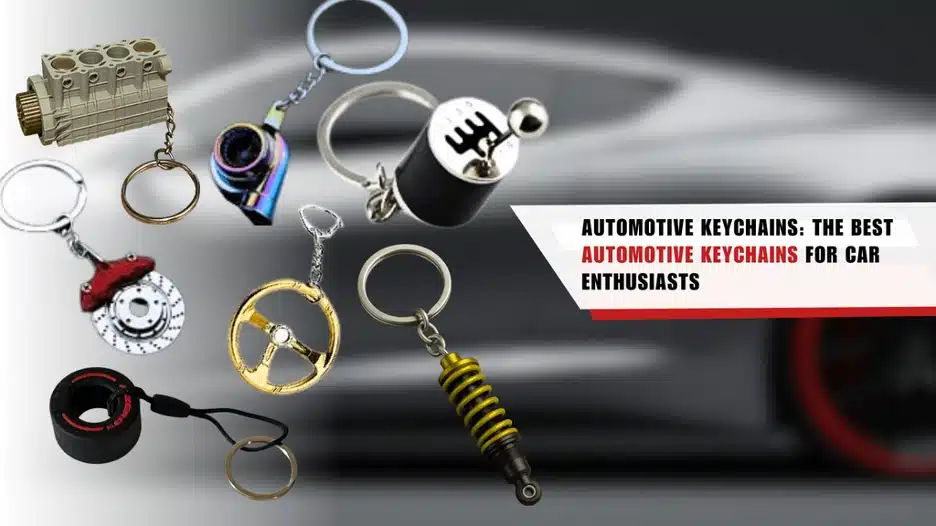
If you want a keychain that helps you avoid this problem, is lightweight, and valuable to car owners who care about their engines, check here.
How to fix:
Wiggle the key all around the ignition cylinder. If you manage to remove the key from the ignition switch, use the spare key. If the key remains stuck, the starter cylinder is worn. Contact a garage to arrange replacement.
6. The switch cylinder and key are dirty:
Using an inappropriate lubricant can lead to dirt buildup in the mechanism, causing it to jam. The key’s teeth usually get dirty if it’s used for other things, such as opening packages.
How to fix:
To clean the starter, use WD-40 or another penetrating oil and spray it into any available space in the keyhole. If possible, blow compressed air through the cylinder. After using compressed air and cleaning the ignition switch, lubricate it. Jiggle the key to find an area of ease where they start to come out.
7. Incorrect gear selection
In cars with an automatic transmission, the key will remain in the ignition until you select the park position. To unlock the ignition system in vehicles with a manual transmission, the transmission must be in neutral.
How to fix:
In an automatic transmission vehicle, make sure your gear is in Park. If it is not in Park (P), shift the gear to Park (P). If the key does not slide out freely, there is an issue with your gear selector.
However, to release the key, move the gear shifter to drive, then apply pressure while you shift back to the park position.
For the manual transmission vehicle, shift the gear to neutral. That way, your key will come out freely without obstruction.
How to prevent future problems
An ounce of prevention is always better than a pound of cure, they say. So you should do your best to prevent similar problems from recurring. Here are three preventive practices that will help you from running into this issue again.
- Always keep the ignition switch in good condition: Regular maintenance of the ignition system will help ensure your key and ignition cylinder are safe.
- Use spare keys: once you notice the active key is worn, consider using a new one to avoid future issues.
- Avoid forcing the key: keep the ignition operation smooth and effortless. This will help you identify potential issues that can be resolved without causing further stress.
Choose the Right Key Accessories
Some keychains are designed to help your ignition, but they are also valuable for their usability. Heavy keychains or other key accessories can compromise the effectiveness of your car’s ignition system.
You should stick to lightweight key accessories, such as the automotive engine lightweight keychain we offer, made of PLA plastic. It combines fun, value, functionality and an aesthetic look.
Don’t make the mistake of adding heavy key accessories to your key or key fob.
When to Contact a Technician
If you’ve tried all the DIY fixes outlined and are still unable to resolve the problem, it’s time to visit a locksmith or a qualified technician to have it fixed.
A stuck key is a warning signal from your car. In most cases, it’s a simple realignment or transmission shift fix. The key is to ensure the vehicle is in Park and the parking brake is holding the vehicle.
However, if none of the methods works for you, contact a technician for a reliable fix.
Conclusion
Dealing with a key that is stuck in the ignition can be frustrating, but with the right steps, the problem can be easily resolved. DIY solutions such as checking the gearbox, adjusting the steering wheel position, applying lubricant and seeking professional assistance are all options for addressing this issue. By following these guidelines and keeping your ignition system in good working order, you can reduce the likelihood of future problems and ensure your vehicle’s dependability.