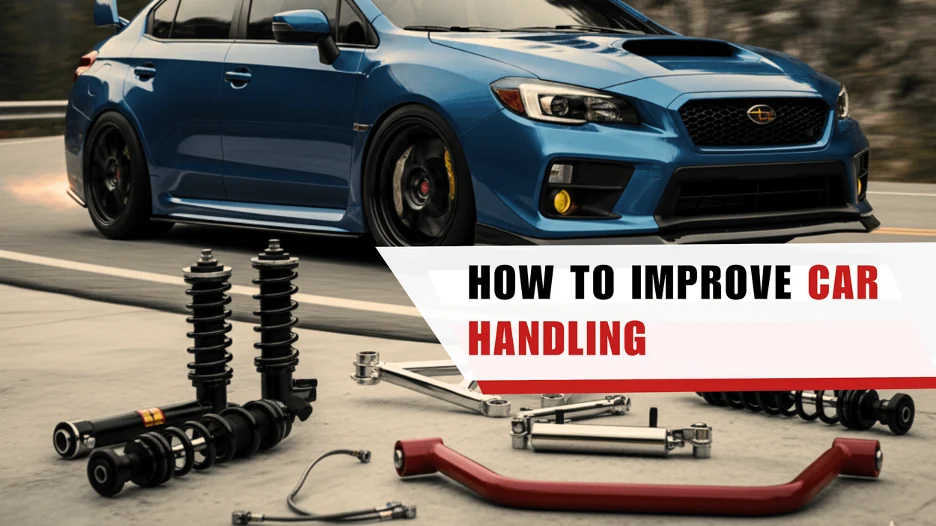
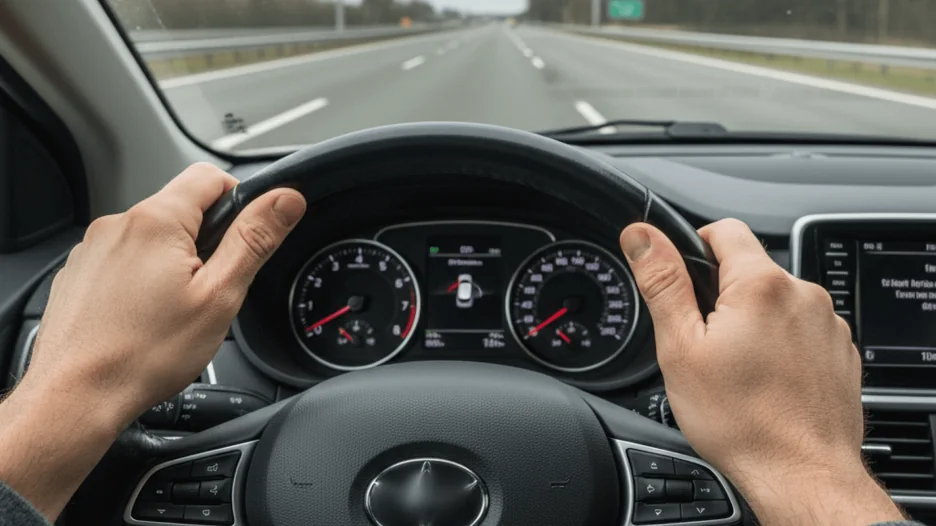
When there are issues in your car’s braking system or the wheel assembly in general, your car no longer responds smoothly as expected, especially when you step on the brake pedal. Your car starts shaking and vibrating, causing it to be unsettled.
This article will offer comprehensive details on the possible reasons why a car shakes when braking, along with advice on how to identify the issue.
Loose or Misaligned Wheels
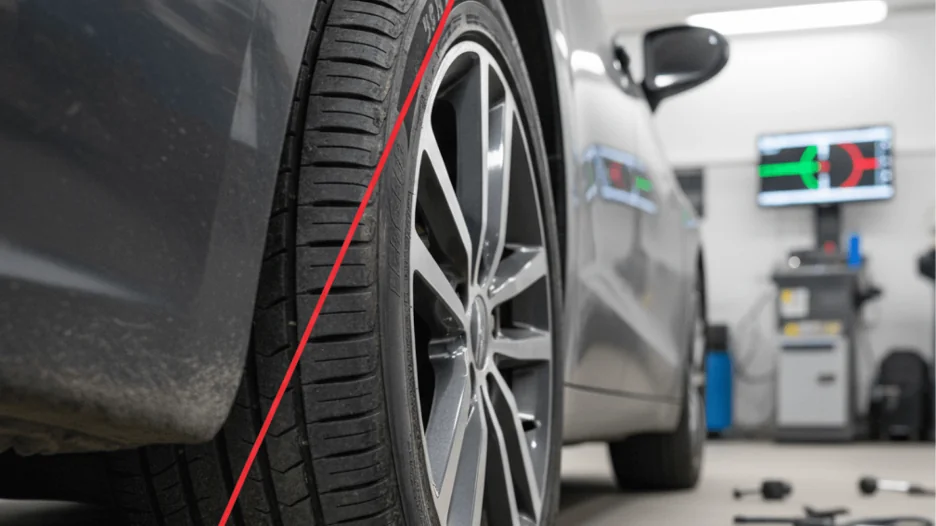
When you brake, your wheels may vibrate and shake if they are not properly aligned or fixed to your car, which could cause the whole thing to tremble and wobble.
This situation presents risk because it may mess with your control over the car and result in tire failure or damage to other important suspension components.
Keep an eye out for indications of misalignment, such as uneven tire wear or an off-centre steering wheel. To make sure the lug nuts are tightened to the proper torque specification, you can also check them with the proper tools.
It is necessary to have the wheels balanced and aligned. It might also be necessary to replace wheel bearings or tires that are old or damaged. To guarantee that your car is stable and safe to drive, the wheels must be correctly positioned and balanced.
Sticking Caliper or Brake Hose
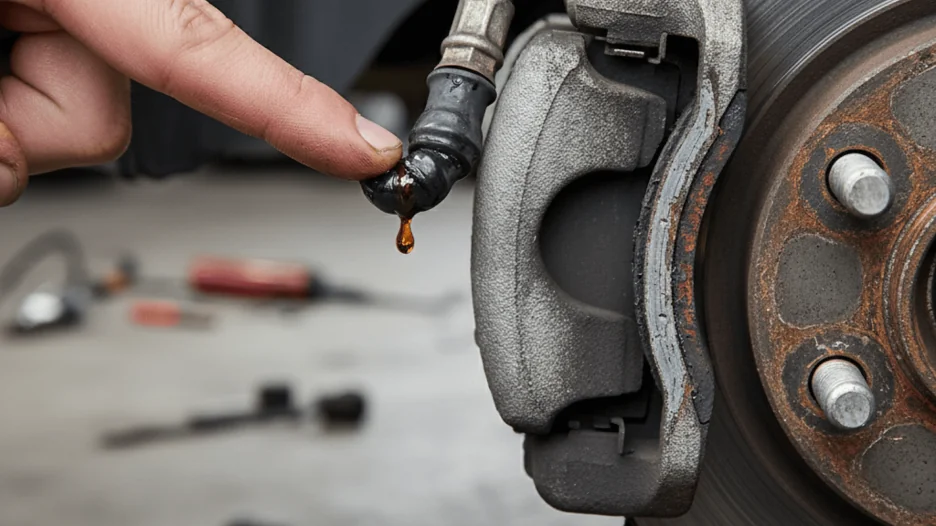
The parts of your braking system called calipers are what slow and stop your car by gripping the brake pads against the brake rotors.
You may notice vibrations and shaking when applying the brakes if your calipers are stuck or not moving freely. Similarly, improper transmission of hydraulic pressure by a malfunctioning or damaged brake hose can result in the shaking of the brakes.
Keep an eye out for indications of sticking, like leaks or uneven brake pad wear. When applying the brakes, you can also feel any resistance or listen for any strange noises.
A qualified mechanic is required to check, repair or replace the brake hoses and calipers.
Worn-Out or Damaged Brake Pads
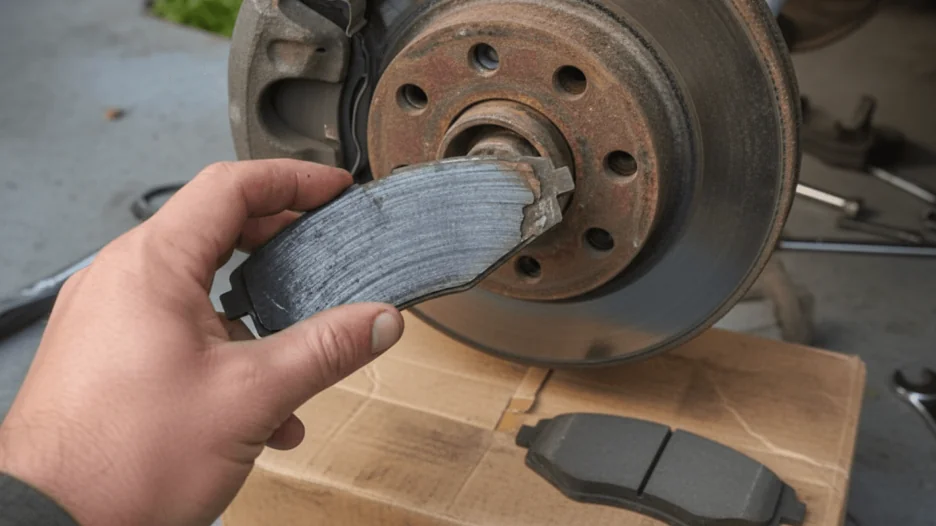
One of the essential parts of a car’s braking system is the brake pads. Brake pads produce the friction that causes your car to slow down and come to a stop. When you apply the brakes, the car may vibrate when braking due to thinned-out brake pads that have worn over time.
You can look at your brake pads to see if the shaking is caused by brake pads that are worn out or broken. The pads might be too thin and need to be replaced if their thickness is less than a quarter of an inch. Additionally, you can search for indications of damage like fractures, splits, or missing portions of the material. Most auto repair shops can perform the relatively easy and affordable repair of replacing the brake pads.
Warped or Damaged Brake Rotors
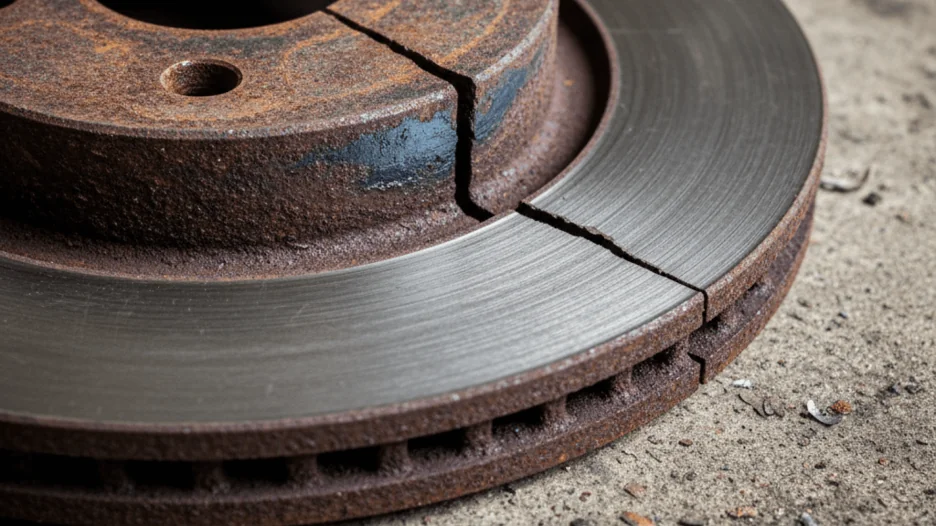
The big round discs that your brake pads are attached to slow and stop your car are called brake rotors. Sometimes referred to as brake discs. Brake rotors may shake and vibrate when the brakes are applied due to warping, deterioration, or other issues.
Keep an eye out for warping symptoms like uneven surfaces or hot spots. The brake runout gauge or a straight edge can also be used to measure the brake rotor’s thickness and flatness.
In order to fix the problem, the brake rotors will have to be changed. Compared to replacing brake pads, this repair is more involved and might call for specific tools and equipment.
Steering System Problem
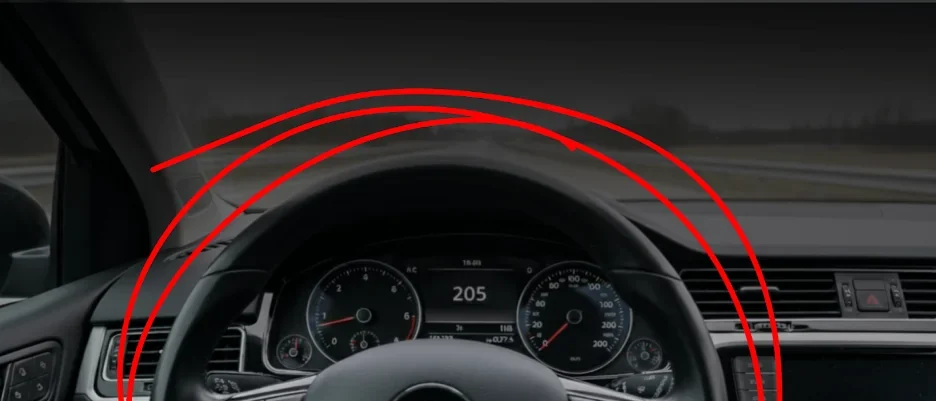
The steering wheel is not the only component of the steering system. When you brake, especially at high speeds or when turning, your car may shake and vibrate if there is damage to the steering system.
Keep an eye out for damage indicators such as cracked or bent parts, leaks or missing or loose parts. In order to test the steering, you can also turn the wheel from lock to lock and feel or hear any resistance or strange noises.
If the issue is not fixed, it can result in a reduction in braking effectiveness or possibly even a brake failure, which could be hazardous and endanger the driver and any passengers.
A Faulty or Damaged Suspension System
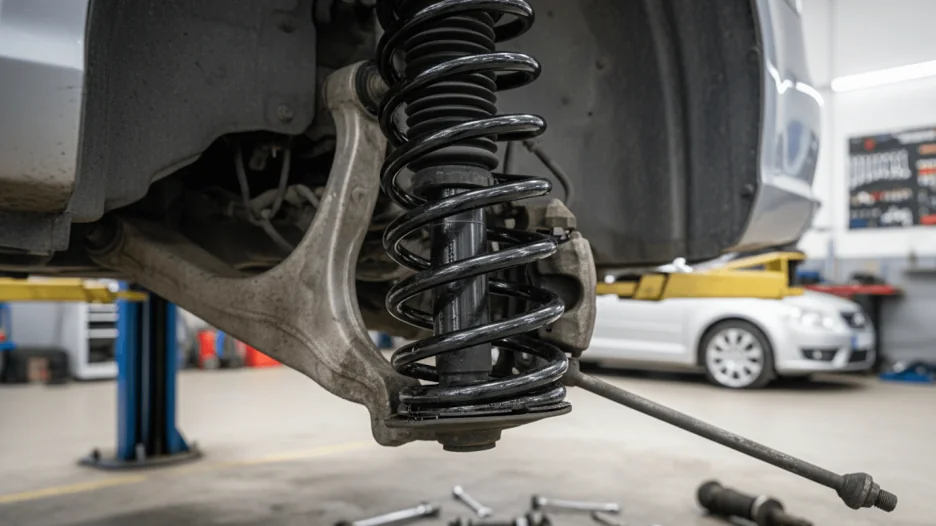
Your car’s suspension system is in charge of keeping it balanced and giving you a stable, comfortable ride.
Your car may shake and vibrate when you brake if the suspension is worn out or damaged, especially on rough roads or at high speeds.
Keep an eye out for damage indicators such as cracked or bent parts, leaks or missing or loose parts.
Another way to test the suspension is to apply pressure to the car’s corners and then release them to observe how the car bounces.
If the suspension system needs to be fixed, this might call for specific instruments and machinery.
An Engine or Transmission Problem
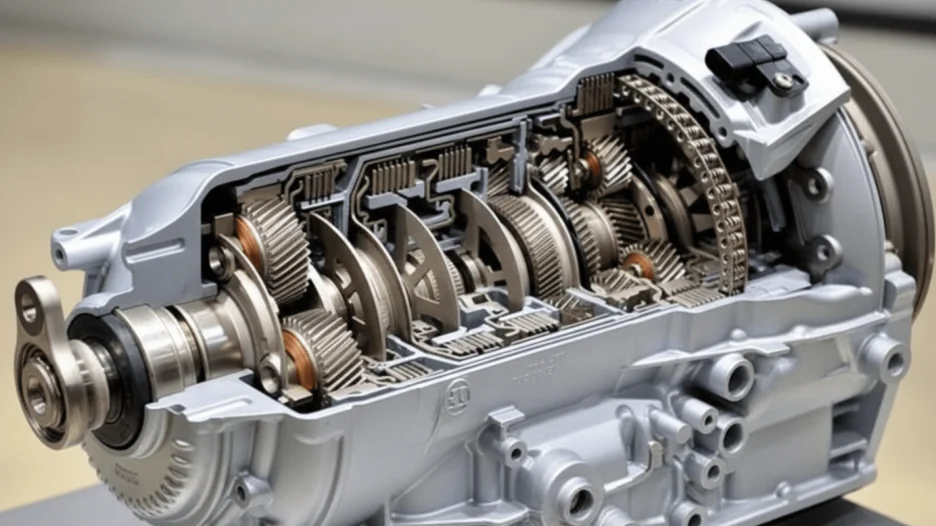
The engine and transmission can affect the brakes and cause them to shake if they are not functioning properly, even though they are not directly a part of the braking system.
For instance, a misfiring or rough-running engine can shake and vibrate the car, which can be felt when applying the brakes.
In the same way, if the gear system is slipping or not shifting properly, it may shake when you apply the brakes.
Keep an eye out for damage indicators, such as leaks, missing, or loose parts. Additionally, when the engine is running or the transmission is engaged, you can feel for vibration or listen for strange noises.
Incorrect operation of the engine or transmission can lead to various issues with the vehicle, including decreased power and inefficient fuel consumption. To keep your car operating smoothly and safely, any problems with the engine or transmission must be fixed as soon as possible.
Conclusion
When your car shakes while braking, it is a clear sign that something is not right. The problem can come from the brakes, the wheels, the suspension, the steering system, or even the engine and transmission. Paying attention to early warning signs like strange noises, uneven tire wear, vibrations, or bad driving experience can help you fix the problem before it gets worse. A proper inspection by a qualified mechanic will save you from bigger repairs and keep you safe on the road. Regular maintenance also helps your braking system stay reliable, giving you confidence anytime you step on the brake pedal.