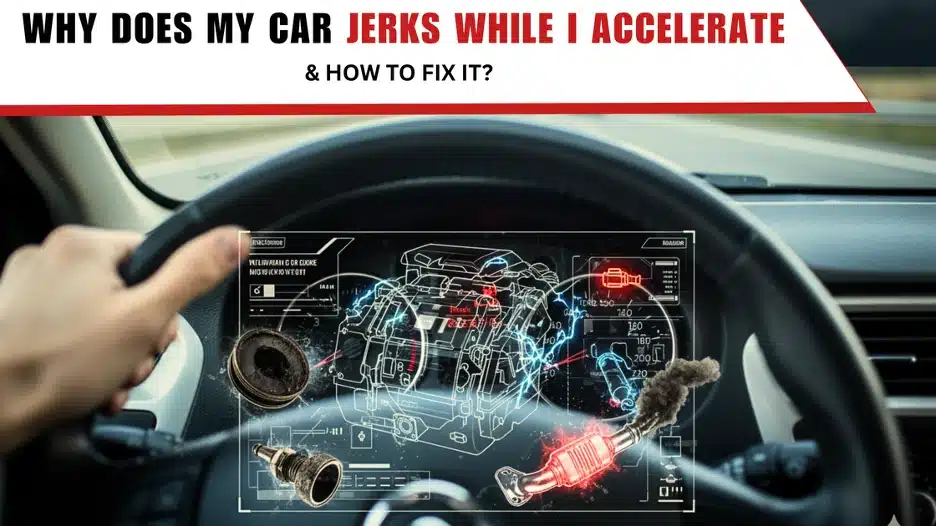
A jerking vehicle is a sign that your vehicle will develop other problems if you do not address it right away. Why does my car jerks while I accelerate? In this article, you will learn the 13 common reasons why your car jerks and how to fix them. Whether you are a DIY car lover or heading to the mechanic, it is important you know what is going on with your vehicle.
Your car jerks like it’s running out of oxygen, which is a problem that often occurs due to the following reasons:
● Dirty fuel injectors
● Dirty air filters
● Clogged catalytic converter
● Warn out spark plugs
● Faulty throttle position sensor
● Damaged gas lines
● Faulty mass air flow (MAF) sensor
● Low or dirty transmission fluid
● Slipping Clutch (Manual Transmission)
● Vacuum Leak
● Bad Timing Belt or Chain
● Faulty Engine Control Unit (ECU)
● Clogged Fuel Filter.
These are the common problems that cause this frustration as a driver, and can get worse to the point where your vehicle continues to jerk/lurch violently when shifting into higher gears.
By the end of this article, you will not only identify the root cause but also learn how to fix most of these problems yourself.
Dirty Fuel Injectors
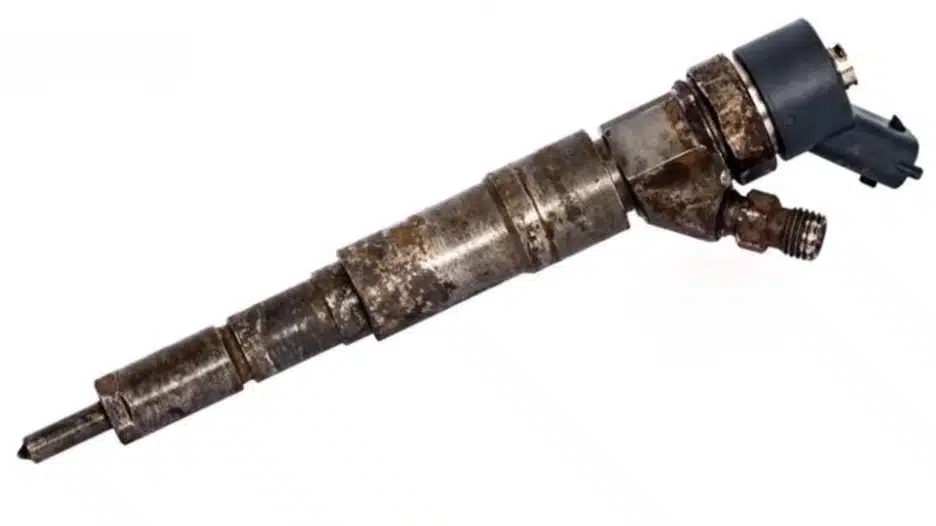
As a car owner or a driver, cruising through the highway as usual, trying to accelerate. Suddenly, your vehicle starts stuttering and jerking. 70% of the time, people face this problem because their fuel injectors are getting clogged, and they cannot deliver the required amount of fuel to the engine.
A fuel injector is a mechanical part of your vehicle that delivers the right amount of gasoline into the engine at the right moment. Any variance in the process of transfer, your car jerks.
Dirt or clogs in the fuel injector cause inconsistent fuel delivery to the engine, thereby enabling poor performance while accelerating.
How to fix it
Clean with a fuel injector cleaner. However, if it gets too clogged, you need to replace them. Fixing a dirty fuel injector is not a huge job, but it requires a little bit of knowledge to tackle it effectively.
Clogged Catalytic Converter
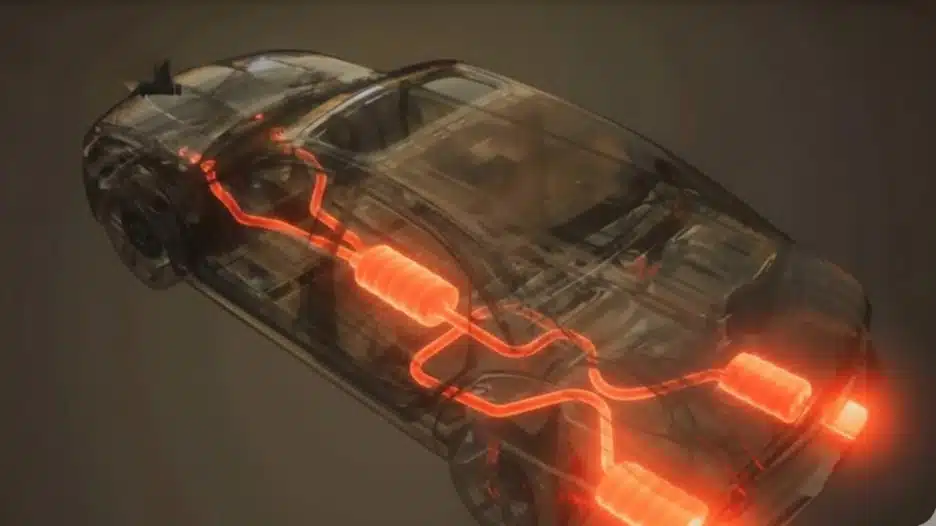
A clogged catalytic converter is one of those issues that not only gets your car to jerk, but it can also lead to other performance problems or issues.
The catalytic converter is meant to filter out harmful gases from your exhaust.
Over time, it can become clogged with debris or carbon buildups, restricting the flow of exhaust gases, causing the engine to misfire and lose power.
How to fix it
When a catalytic converter is clogged, you will need to clean it with a catalytic converter cleaner, fuel addictive cleaner, or spray cleaner.
In most cases, if cleaning did not work, then you’d have to replace it.
Worn-Out Spark Plugs
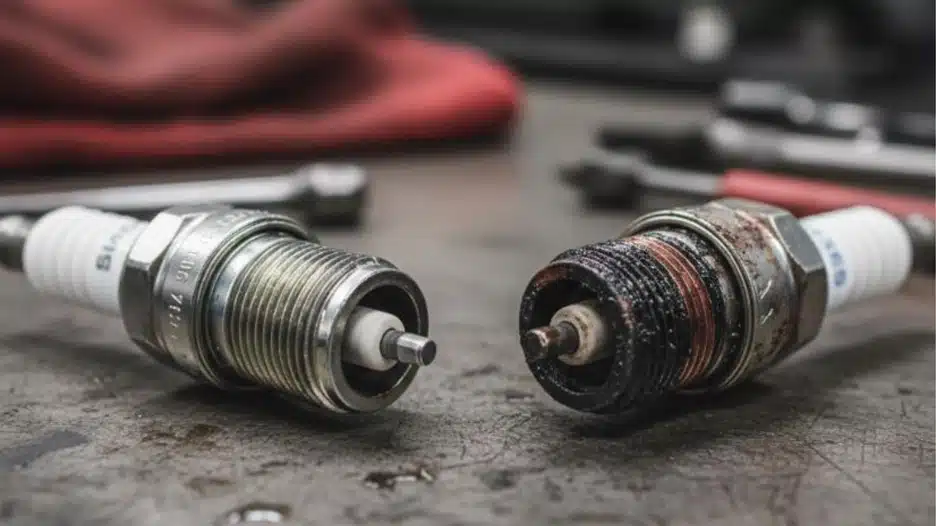
If you are experiencing car jerking, in many cases, your spark plugs might be the issue.
The spark plug is responsible for lighting the fuel-air mixture in your engine. In other words, igniting the power to keep your engine running.
As they wear out, they can cause the engine to misfire and hesitate when accelerating.
How to fix it
Fixing a bad spark plug is simple. You just need to replace them. The process is relatively impressive and easy.
On a maintenance level, you are expected to replace your spark plug about every 30,000 miles. Even if they don’t make your car jerk now, it is good to stop them earlier from troubling you in the future.
Faulty Throttle Position Sensor
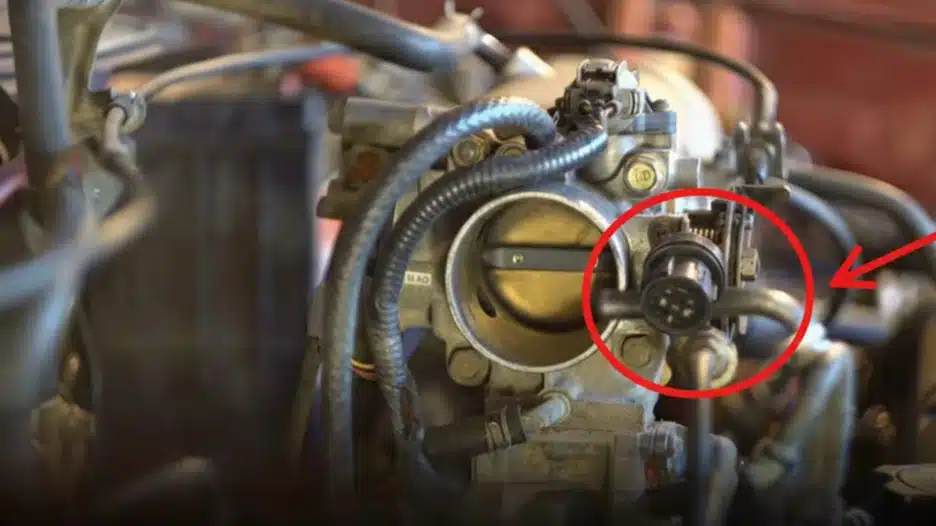
The work of the throttle position sensor is to monitor the position of the throttle valve, telling the engine control unit how much air to mix with the fuel.
If the throttle position sensor malfunctions, it can cause delayed acceleration or jerking as the engine struggles to get the right mix.
How to fix it
Replacing the throttle position sensor is usually straightforward, though it can require a bit of expertise. A mechanic can do this if you’re not familiar with the process.
Damaged Gas Lines
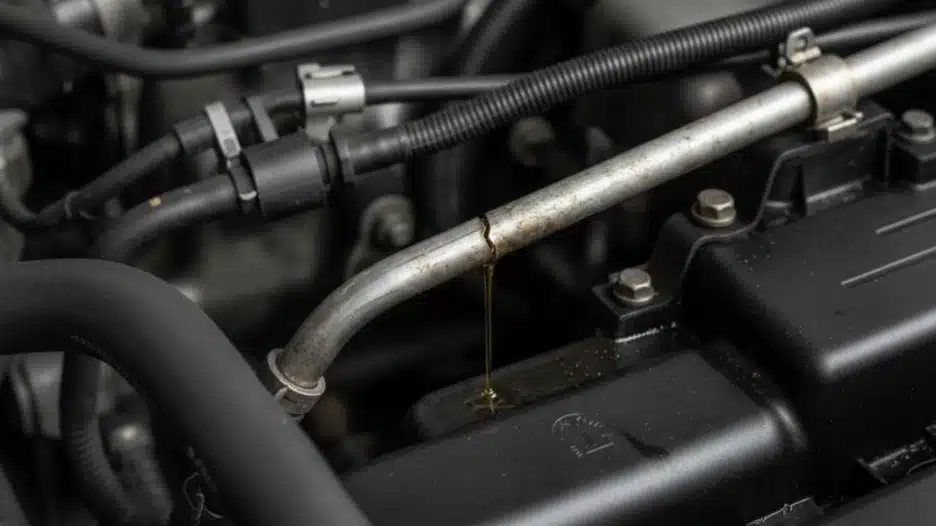
A damaged gas or fuel line can also cause vehicle jerking while you accelerate. Gas lines are pipes that supply the right amount of fuel to the engine.
However, when these lines get cracked, the gas starts escaping through the cracked part of the line, thereby causing fuel problems, stuttering, jerking, or hesitation when accelerating.
Whenever you notice a sharp jerk/hesitation while driving, followed by the smell of gasoline, that signals that you may have damaged your gas line.
How to fix it
Inspect your gas lines for any visible lines or leaks. If you find any, then it needs to be replaced. However, this is a complex fix that might require a professional to handle.
Faulty Mass Air Flow (MAF) Sensor
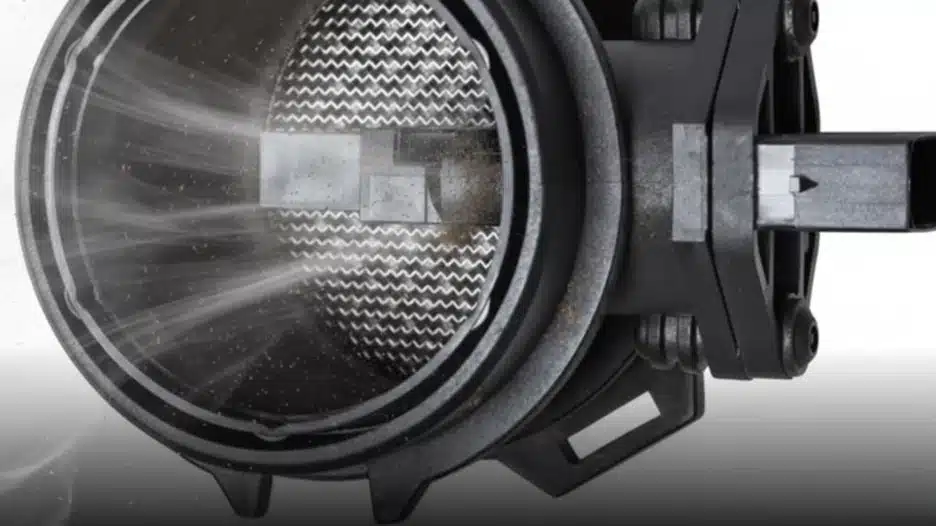
A faulty or damaged mass air flow (MAF) sensor can cause vehicle jerking by sending incorrect data to the engine control unit.
The MAF sensor tells your car how much air is entering the engine, and if it’s not working right, the air-fuel mixture can go out of balance.
To be sure if this is the cause of the vehicle jerking/hesitation, watch out for other symptoms such as poor fuel efficiency, rough idling, and noticeably poor engine performance, before making decisions.
How to fix it
To get the MAF sensor fixed, clean it with precision using an engine cleaner. If it’s too clogged or damaged, you might need to replace it.
Low or Dirty Transmission Fluid
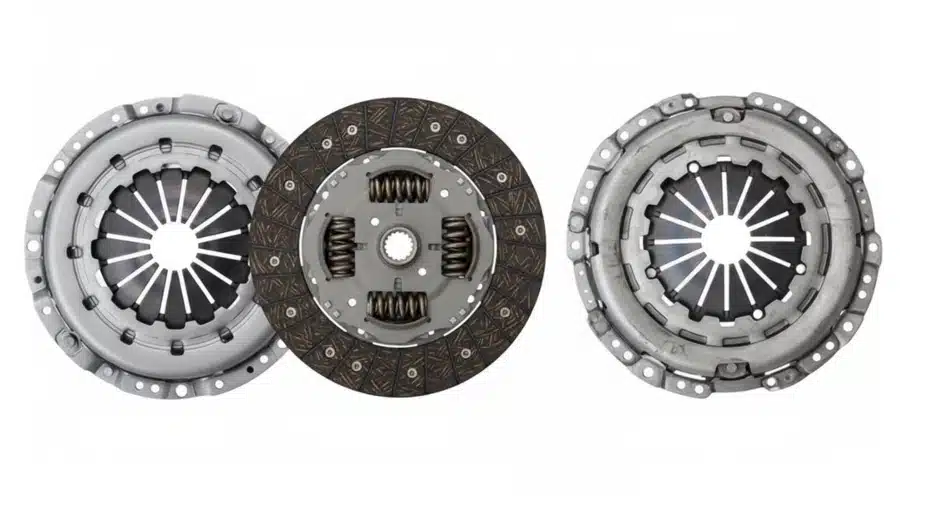
For manual transmission drivers, a slipping clutch could be the cause of the vehicle jerking. Over time, the clutch disc can wear out, making it harder to transfer power from the engine to the wheels. This problem results in jerking/lurching, especially when accelerating.
How to fix it
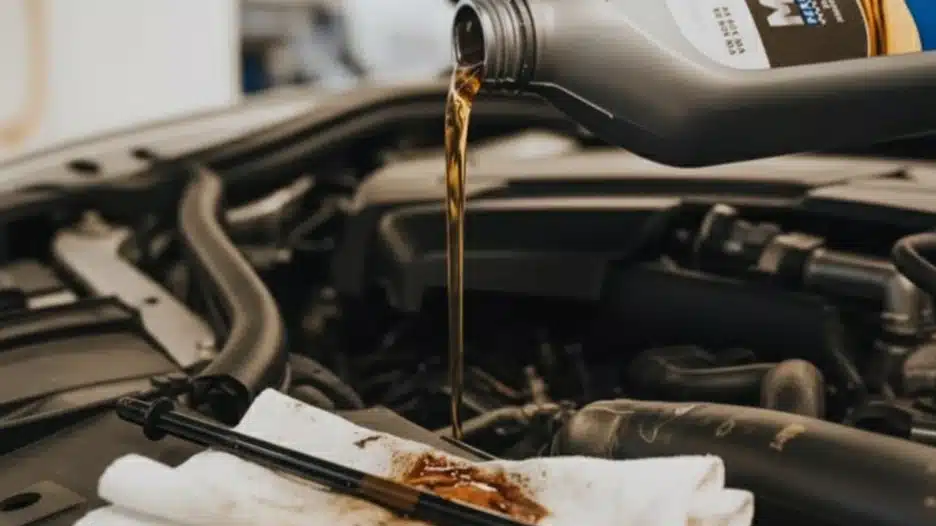
Check the level of your transmission and look for signs of contamination. If the fluid is low or dirty, a simple change might be all you need. If the problem persists, you may need a transmission flush.
Slipping Clutch (Manual Transmission)
Low or dirty transmission fluid is another major cause, while your car might be jerking, especially in automatic transmissions.
If your fluid levels are low or the fluid is too dirty, it might cause your car to jerk or hesitate during acceleration because the transmission struggles to shift smoothly.
How to fix it
If your clutch is slipping, you’ll need to have it replaced. This job is best left to professionals to handle, as it involves disassembling parts of the transmission.
Vacuum Leak
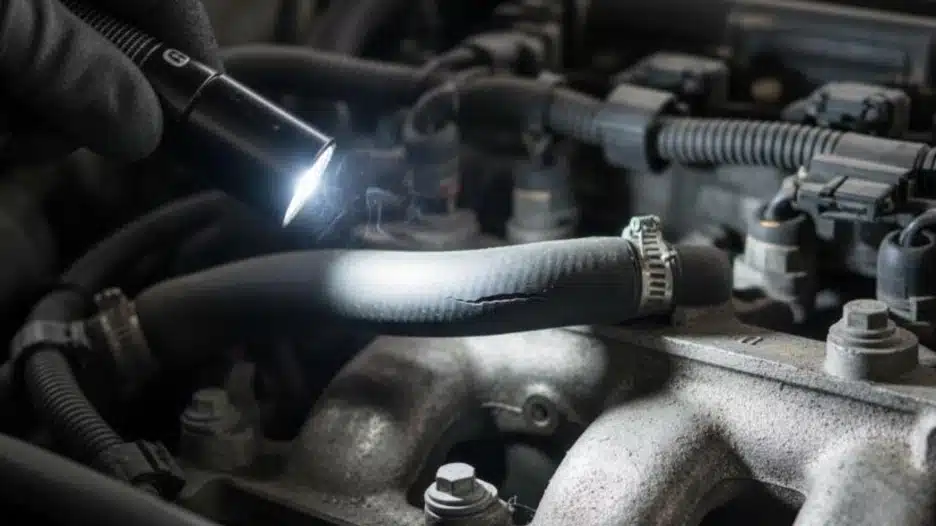
A vacuum leak usually occurs when air enters the engine without being properly controlled. This disrupts and destabilizes the air-fuel mixture process, which might cause the engine to run rough, resulting in jerking when you try to accelerate your vehicle.
How to fix it
Inspect the hoses and gaskets for any cracks or damage. If you find a leak, replace the damaged part to restore smooth acceleration.
Bad Timing Belt or Chain
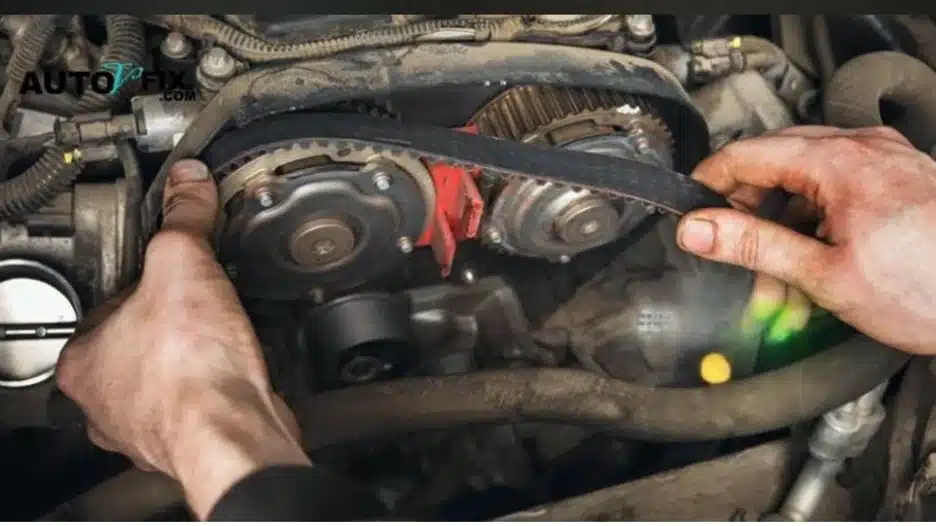
The work of the timing belt or chain is to keep your engine’s camshaft and crankshaft in sync. If it wears out or breaks, your engine’s timing will be off and your car will begin to jerk, sputter, or even stall.
How to fix it
Replace the timing belt or chain, but it’s necessary to keep your engine running smoothly before you start facing some challenges in this aspect.
If you’re near the recommended replacement mileage, usually between 60,000 and 100,000 miles, please get it replaced before it’s too late.
Faulty Engine Control Unit (ECU)
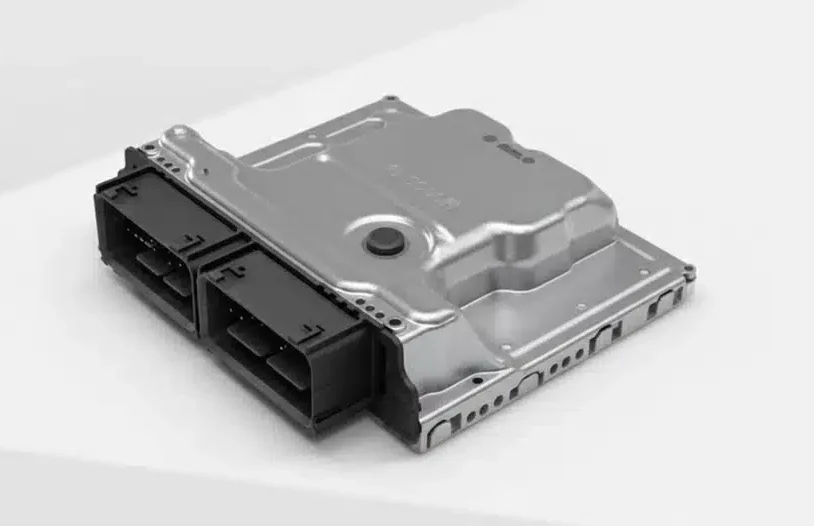
The engine control unit (ECU) is another aspect we need to look into. The ECU computer that controls various functions in your engine, and if it malfunctions, it can cause different kinds of problems, including jerking/lurching while accelerating.
A bad ECU can misinterpret sensor data, causing your car to struggle when you try to pick up speed.
How to fix it
If your ECU is the problem, it may need to be reprogrammed or replaced. This fix can be costly, so it’s important to make sure the ECU is the issue before jumping to conclusions.
Clogged Fuel Filter
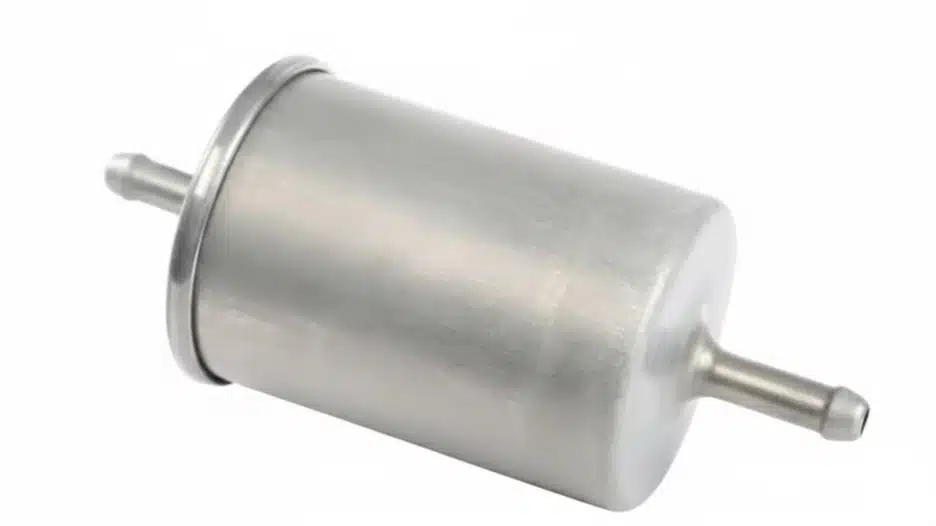
The last but not least reason for a car to jerk when accelerating is a clogged fuel filter. The fuel filter is an important part in every car that contributes to the survival of the engine, by separating the dirt from the fuel, so that the engine has clean gas for consumption. When this filter gets clogged, it can disrupt the smooth flow of fuel to your engine, causing your car to jerk when you accelerate.
Over time, dirt and debris from the fuel tank can clog the filter, restricting fuel flow to the engine and causing hesitation or jerk when accelerating.
How to fix it
If your fuel filter is the problem, you might have to replace it. However, regular maintenance will prevent your fuel filter from clogging.
Recommendations
With less than $20, you can get a mini replica of a real 4-cylinder engine keychain with a moving piston. The keychain is a perfect gift for car enthusiasts because of its amazing look and features.
Getting a real engine in a smaller form is the perfect thing to show your passion for cars. Perfect to be a keychain, light enough for safe use, it does not scratch your car dashboard.
Free shipping to Canada, the USA, and Australia.
Check here to learn more about this great accessory.
Conclusion
The above explained some of the common reasons your car jerks while you accelerate, stating the cause of the problem and how you can fix each one, containing DIY solutions such as replacing filters and spark plugs, as well as complex fixes that may require professional intervention.
Nevertheless, understanding these issues will enable you to act upfront, as it helps reduce the potential frustration your vehicle might cause. Proper and regular car maintenance is the best way to keep your car running without getting frustrated.